Real Revenue and Ben Stokes
The Economist and The Athletic are two digital publications I try to read daily. Each week, I'll share two articles that caught my attention; one from each publication.
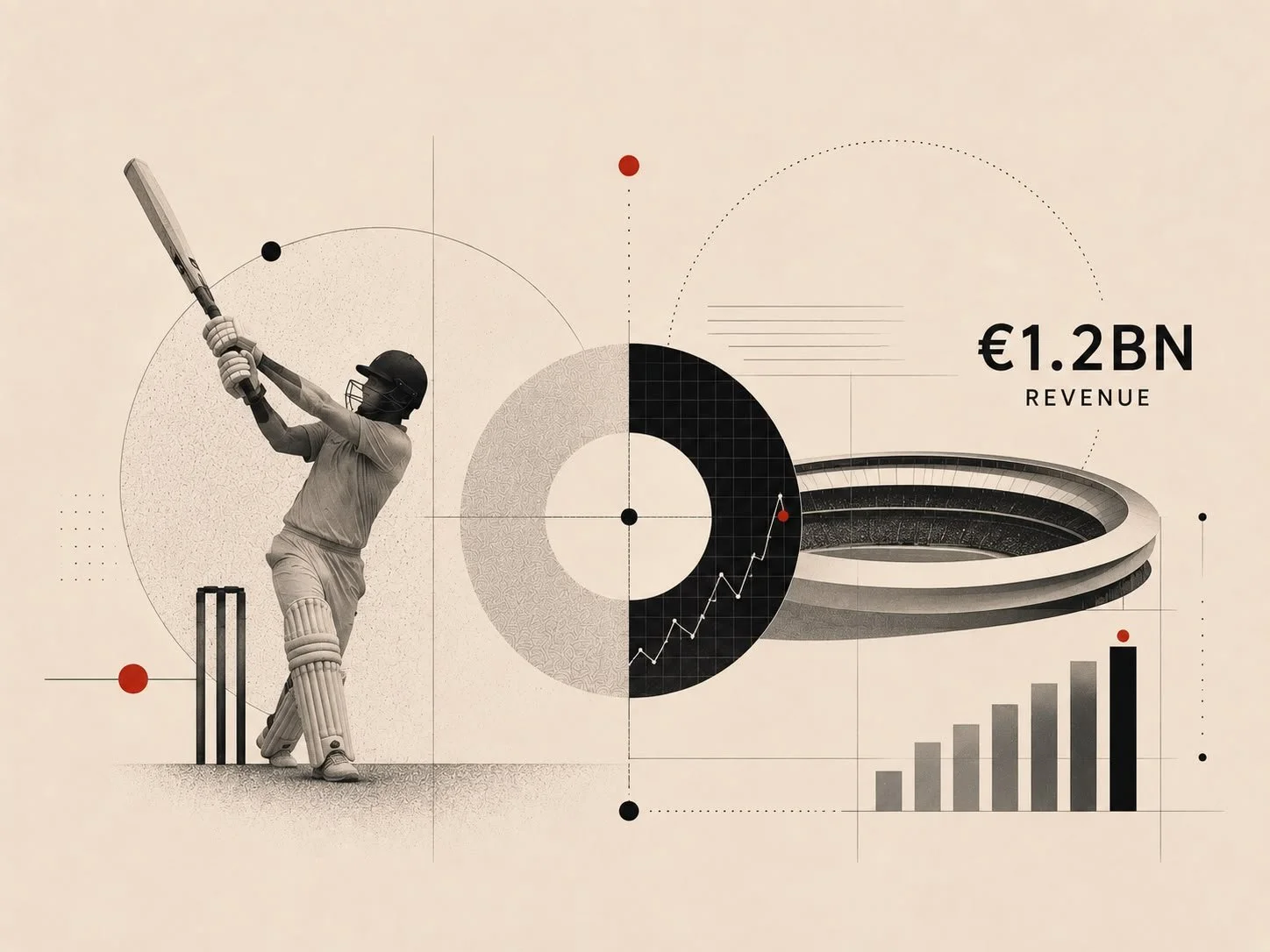
The very modern model of modern masculinity
The Economist recently appraised Ben Stokes's captaincy of the England cricket team, weighing his successes, his shortfalls and his standing as “a model of modern British masculinity in all its contradictions.”
Elite sport has always been fascinating to me; partly because of my lack of elite talent and my relationships with athletes because of the day-job. I talk about it a bit in my book Done Deal, mentioning the sacrifice, the single-mindedness, the obsession and relentlessness that is required to even get to the top, never mind the staying power to remain there. Why people expect sportsmen and women to be perfect human beings is beyond me; perhaps there is a comfort in seeing that people in the public eye are fallible too, and that has become a popular narrative in itself.
Either way, Stokes has been transformative, played some of the greatest spells with bat and ball I have ever witnessed and, along with Brendan McCullum, revolutionised Test cricket. But pressure, as well as being a privilege, weighs heavy. Longevity is an outlier and as a result should be heralded. That’s why Stokes's retirement is so pertinent. He is an elite athlete who endured, and who was open enough to talk about his poor mental health, therapy sessions and anxiety. That resonated with many (myself included).
Knowing the elite sporting talent that I’m privileged to work with, Stokes's journey is another example of the high toll elite sport can take, but also of the positive impact that sharing vulnerability can bring to a wider public. As The Economist put it: “Ben Stokes helped his country feel better about itself.” More than any innings, that may be the legacy that lasts.
Real Madrid announce world-record €1.2bn revenues
Chris Weatherspoon’s recent analysis breaks down the club’s incredible €1.2bn revenue figures. In comparison, the piece suggests Arsenal will likely be the closest competitors off the pitch with revenues of just over €930m for the 24-25 season.
The make-up of the figures includes an impressive €363m of stadium revenue, plus significant, market-leading Adidas (€120m) and Emirates (€100m) deals. Real are also the leaders in club Champions League revenues and have received €988m from UEFA in the ten years from 2014 to 2024.
In an era of loss-making clubs, Madrid remains an outlier that “for the 24th consecutive season, [is] profitable again in 2025-26, booking a €26.3million post-tax surplus”. It should be noted that “2016 to 2023, Madrid lost over €700m on an operating basis, though player profits generally put them back in the black. The one year they didn’t, the Sixth Street deal was agreed.”
Madrid’s evolving transfer policy has also proven lucrative for players already sold, through high sell-on fees. Those subsequent transfers have brought in significant sums relating to Victor Munoz (Osasuna-Liverpool) and Alvaro Rodriguez (Elche-Bournemouth).
Those record revenues (and profits) appear to have been put to good use to fund the transfers and wages of several high-profile purchases furnished on Jose Mourhinho including Diomande, Cucurella, Silva, Konate and Dumfries. It looks like a fun La Liga season ahead.
I use AI as an editing tool to suggest refinements and brainstorm themes to explore during the writing process. The words and opinions remain my own.