Bad Backs and Injured Knees
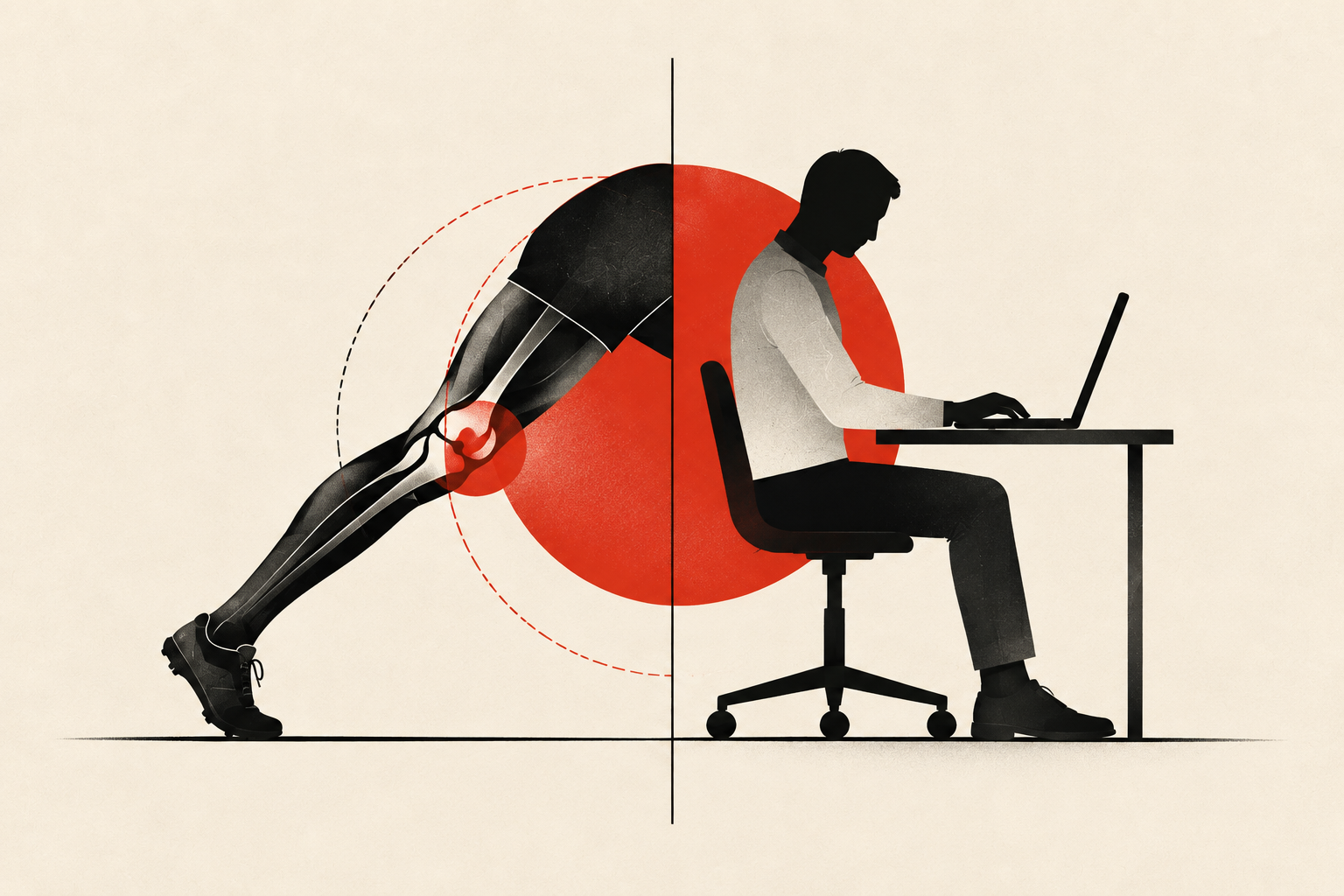
The Economist and The Athletic are two digital publications I try to read daily. Each week, I'll share two articles that caught my attention; one from each publication.
This week: biomechanics, ACL injuries and standing desks
‘Ted Lasso’ tackles women’s soccer’s worst nightmare: Knee injuries
(Upfront disclaimer: I’ve never watched Ted Lasso. Apple TV appears to be the only subscription the Geey household doesn’t have). However, reading about the recent Ted Lasso episode dealing with ACL injuries reminded me about the crazy stats on women’s ACL injuries. An Athletic piece from Charlotte Harpur in 2024 set out that “women are two to six times more likely to suffer from such injuries. Additionally, about two thirds of ACL injuries in women’s football occur without any physical contact”.
Various pieces have speculated that the higher likelihood of such injuries could include the:
· angle of the female tibia and its interplay with a notch in the knee joint;
· plasticity and flexibility of muscle at different stages of the menstrual cycle;
· boots historically being made for male feet; and
· a locked knee position more common with women when landing in a load bearing position.
Over the last few years, Project ACL was spearheaded by FIFPro, the Professional Footballers Association (PFA) and the WSL to delve more deeply into the root causes. Earlier this year the NWSL and its player’s association joined the initiative.
The approach has been to look more holistically into areas like strength and conditioning workloads, recovery, training and match scheduling. Too many elite players miss seasons at a time. Whilst the NWSL and WSL are leading the way through safeguarding player salaries via stronger contract provisions during injury and rehab, understanding the fundamentals of the problem and how they can be mitigated will only come with time, insights and enough data.
Should you use a standing desk?
On the biomechanics front, the standing desk debate has raged for some time in the Sheridans open-plan office. Whilst some swear by it, it turns out researchers have spent plenty of time on whether there is actually any benefit to workers.
The Economist begins with a difficult to argue with view that “[t]he human body evolved to forage and hunt on the African savannahs, not to sit in a cubicle all day.” The assumption is that standing desks may then help with everything from attention, fatigue, back pain, stress and even happiness (if it was only so simple).
It turns out there’s only weak evidence of any benefit with a bit of relief for those with lower back pain. My colleagues may point to me being a creature of habit (certainly with my daily lunch choices) sitting at my non-dynamic desk. But perhaps the more obvious point is that standing up isn’t the same as movement. My routines instead tend to involve walking meetings. Even in the winter months, a brisk stroll around St James’ park does the world of good.
I use AI as an editing tool to suggest refinements and brainstorm themes to explore during the writing process. The words and opinions remain my own.