Crunch Time
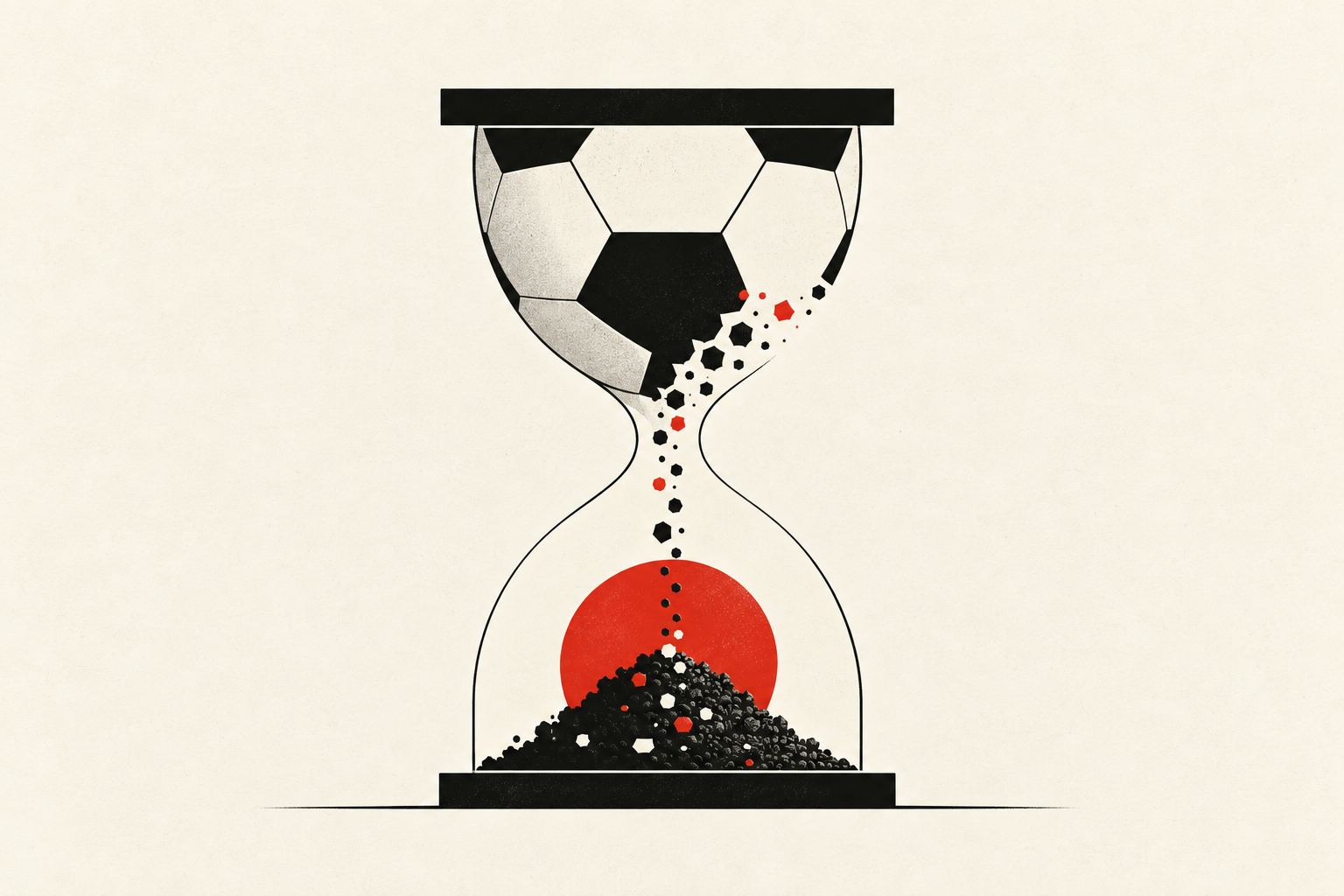
The Economist and The Athletic are two digital publications I try to read daily. Each week, I'll share two articles that caught my attention; one from each publication.
This week: keeping football’s finances in check and why snacks are evolving.
CRUNCH TIME
Rising transfer fees creating ‘fragile’ model for English clubs, warns UEFA finance chief
UEFA's annual European Club Talent and Competition Landscape report is a treasure-trove of football data and analysis. I’m barely 20% through it (due to work and life). I remember when previous editions were called the UEFA Benchmarking Reports and would recommend that anyone wanting to understand football finance to read this diligently. This advice still applies. It’s excellent.
The Athletic report highlighted a number of remarkable takeaways:
1. Spending across the European summer transfer window broke the €10bn mark for the first time.
2. Unsurprisingly, almost half of the total spend came from England with English clubs spending more on transfers than all the other European domestic markets combined.
3. English clubs paid on average €24m for each player they bought compared with an average of less than €5m in Europe’s other main leagues.
The report has some sobering elements too. UEFA chief financial officer Andrea Traverso, one of the leading figures behind the introduction of the Financial Fair Play Rules, explains a potential overreliance on transfer profits. Specifically that:
“This risk is amplified by the fact that many acquisitions are not paid for immediately; payments are often deferred over several years, while transfer receivables may be factored to generate short-term cash. The result is a growing level of transfer debt and a greater reliance on future inflows to finance past investment.
“These developments also point to an increasing concentration of talent and a growing polarisation of the market, with the emergence of a clear, two-speed system.”
His position ultimately is “What happens if the market slows down?” In England, this is similar question that is being grappled with by the Independent Football Regulator in its forthcoming State of the Game Report. This will deal with questions around the robustness of club finances and sustainability of spending. This will likely have significant consequences for the industry.
Why your snacks are chunkier and chewier than before
How to move seamlessly from some detailed football finance analysis to the evolution in snack taste and design? Pretty tricky but needless to say this one caught my eye, if not for two rather surprising reasons set out in the piece. Apart from the fact I had no idea so much research went into snack engineering (is that even a phrase?), it turns out companies are working out how to make our favourite snacks more crunchy, chewy and gooey. The two reasons appear to be relatively recent phenomena:
1. Drugs: As Ozempic and other GLP-1 drugs have helped shrink appetites, a growing number of consumers are asking ‘Is it worth it?’ Apparently, a “bigger sensory hit, with sound and feel as well as flavour, adds to the “product theatre” and makes snacking more appealing.”
2. TikTok: By way of social media trends, “[y]oung consumers are glued to short videos in which influencers munch food with the volume turned up. Brands have taken note, producing adverts designed to induce ASMR (autonomous sensory meridian response), the tingly, relaxed feeling some get from such content. Posts tagged “crunchtok” racked up over 1.5bn views last year.”
Although somewhat tongue in cheek, I do find it fascinating how food and design are evolving in line with the times. On reflection, I’ve watched plenty of YouTube videos with my youngest daughter, marvelling at the sounds of crunchy slime content. There, at least it’s out in the open.
I use AI as an editing tool to suggest refinements and brainstorm themes to explore during the writing process. The words and opinions remain my own.